
When athletes think about performance training, they usually think about speed, strength, power, mobility or conditioning. But one of the most overlooked performance tools is literally the thing that connects us to the ground every second we move: the foot.
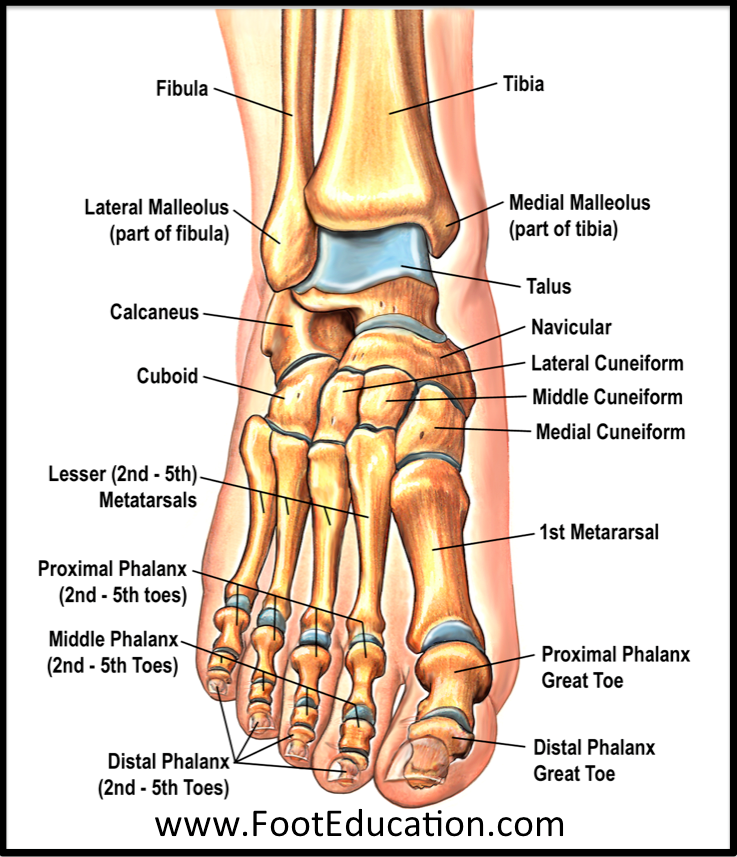
The human foot is an engineering masterpiece. Each foot contains 26 bones, 33 joints and over 100 muscles, tendons and ligaments working together to create stability, absorb force and produce power. That means nearly a quarter of all the bones in the human body are found in the feet alone.
Yet most athletes never actually train them.
Every sprint, cut, jump, bound or change of direction starts from the ground up. Your foot is the first point of contact in the chain. If the foundation is weak, the force transfer above it becomes compromised. Ankles collapse. Knees take extra stress. Hips compensate. Performance drops.
Train The Foot. Unlock The Athlete.
BUILT TO ABSORB
Think about throwing a punch. You would never throw your hardest punch with a relaxed loose fist. You tighten the fist to create structure and transfer force effectively. The foot works the same way. A strong reactive foot creates a stable platform to absorb and redirect force. A weak foot leaks energy.
And the amount of force our feet deal with during sport is massive.
During running, the foot can absorb forces of 2 to 3 times bodyweight with every stride. Sprinting and jumping can increase that to 4 to 6 times bodyweight depending on speed and intensity. Over the course of a game, practice or training session, that becomes thousands of repeated impacts the body must manage efficiently. That’s why rudimental drills matter.
KEEP IT STUPID SIMPLE
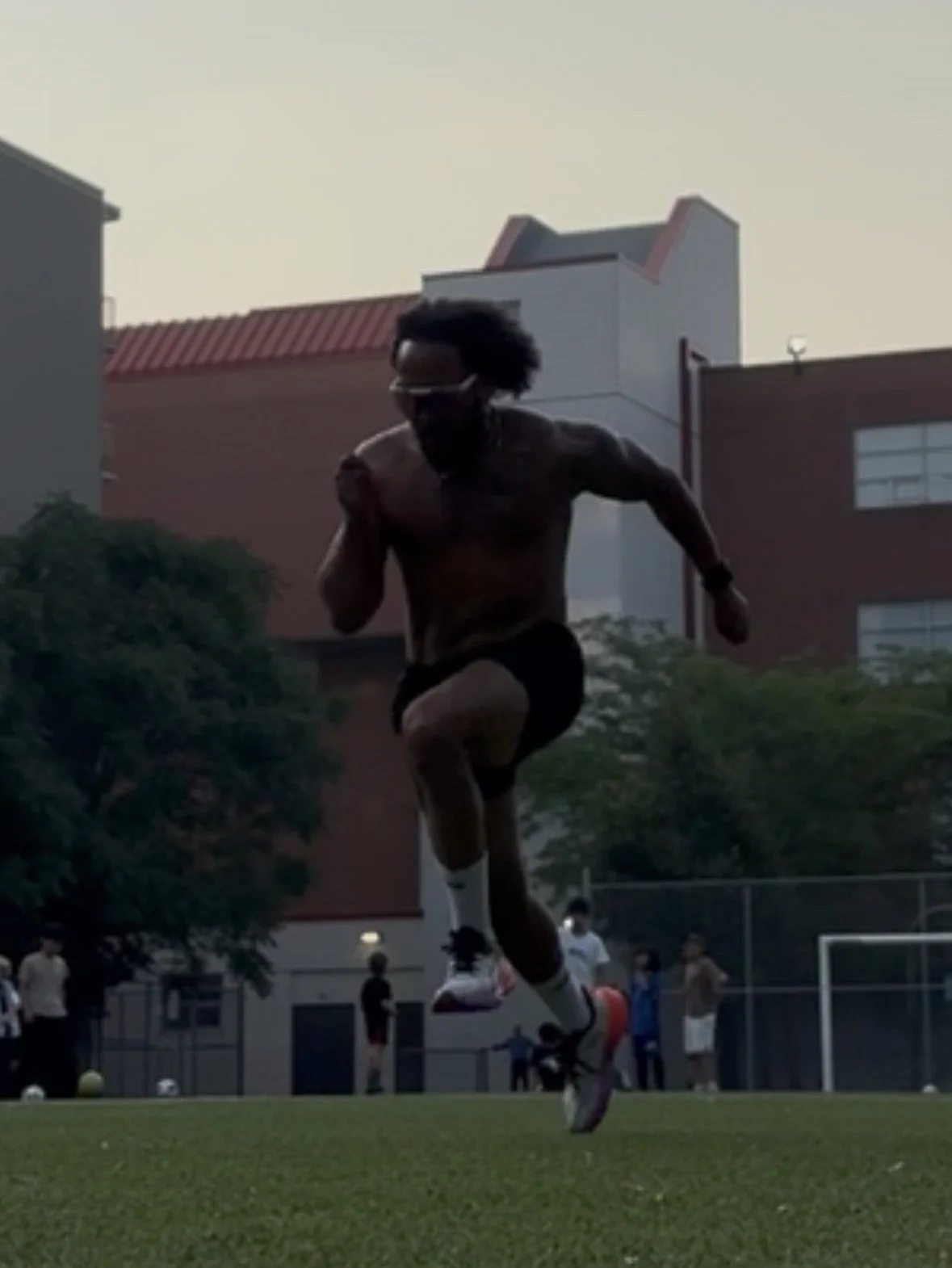
Simple movements like pogos, A skips, B skips, line hops and low level plyometrics are not “basic” they are foundational. These movements teach the foot and ankle complex how to be stiff when needed, elastic under load and reactive upon contact with the ground.
Pogos train elastic energy return and ankle stiffness.
A skips reinforce rhythm, posture and proper force application.
B skips improve coordination and ground strike mechanics.
These drills help athletes develop what coaches often call “bounce” the ability to absorb force quickly and return it efficiently. The better your feet can handle force, the more explosive, efficient and resilient you become.

USE IT OR LOSE IT
Training the feet also has a major role in injury prevention. Stronger feet can improve balance, reduce excessive pronation, enhance ankle stability and decrease unnecessary stress traveling up the kinetic chain. In many cases, knee pain, shin splints, Achilles issues and even hip discomfort can be linked back to poor foot mechanics or lack of foot strength.
Athletic performance doesn’t begin with the flashy stuff. It begins with the ground.
If you want to run faster, jump higher, cut harder and move more efficiently, start by strengthening the thing that touches the ground first.
Train the foot. Build the foundation. Unlock the athlete.